
Fence Guide · Comparison
Wood vs. Vinyl Fence: Which Is Better?
The two most popular privacy fences, compared head-to-head on cost, lifespan, maintenance, looks and resale. So you can pick the right one with confidence. Here's our honest comparison from over 45 years of installing both in East Tennessee.
BRYANT FENCE · EAST TENNESSEE
The short answer: Wood costs less upfront and offers a warm, natural, customizable look, but needs staining and lasts ~15–20 years. Vinyl costs more upfront but is virtually maintenance-free and lasts ~25–30+ years. Often making it cheaper over the long run. The "better" choice depends on your budget, your patience for maintenance, and how long you'll stay.
Side by Side
Wood vs. Vinyl at a Glance
| Factor | Wood | Vinyl |
|---|---|---|
| Upfront cost (installed) | ✓ $19–42/ft | $42–72/ft |
| Lifespan | 15–20+ yrs | ✓ 25–30+ yrs |
| Maintenance | Stain/seal every few yrs | ✓ Rinse with a hose |
| Look | ✓ Natural, warm, customizable | Clean, uniform |
| Privacy | ✓ Excellent | ✓ Excellent |
| Repairs | ✓ Swap a single board | Replace a panel/section |
| Weather resistance (East TN) | Good (with upkeep) | ✓ Excellent |
| Long-term cost of ownership | Higher (upkeep) | ✓ Often lower |
✓ marks the stronger option for each factor.
Wood vs. Vinyl Fence Cost by Style
Price depends on height and style as much as material. These are typical installed prices in the Knoxville area, including posts. Gates are priced separately.
| Style | Cost / ft (installed) | Typical 150-ft yard |
|---|---|---|
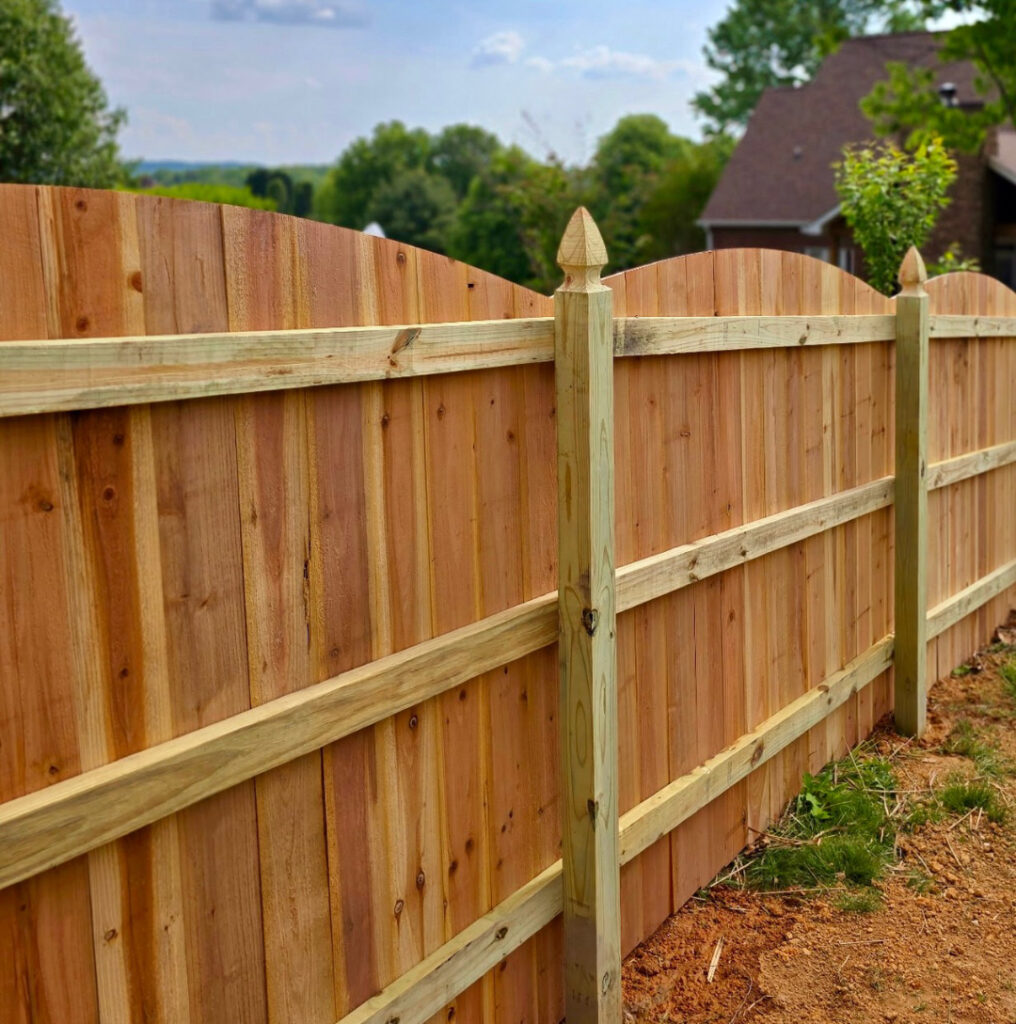
| Wood picket (4 ft) | $19–28 | $2,850–4,200 |
| Wood privacy (6 ft) | $26–42 | $3,900–6,300 |
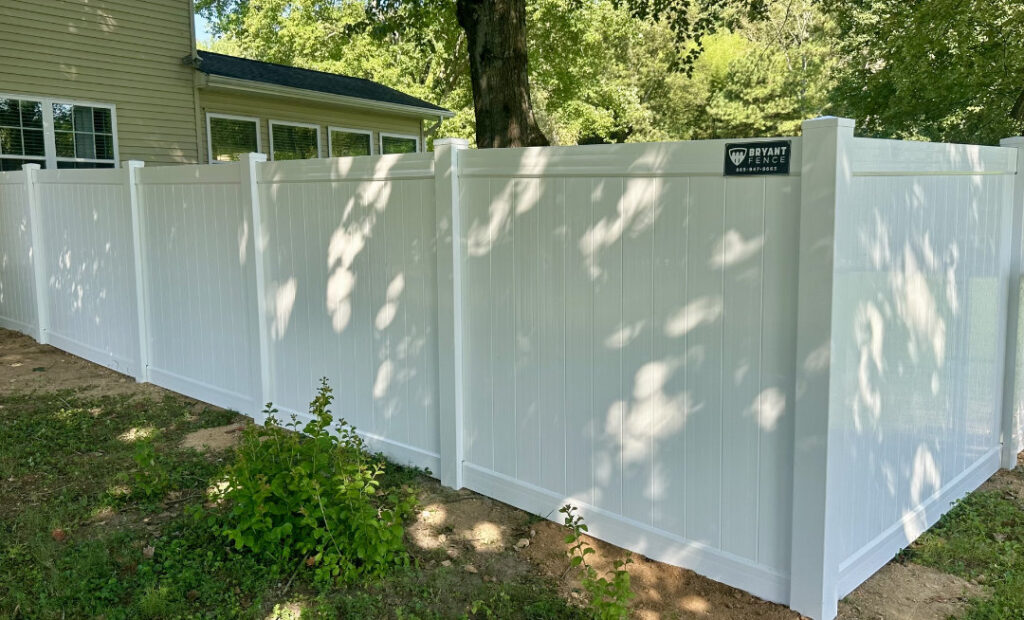
| Vinyl picket (4 ft) | $42–55 | $6,300–8,250 |
| Vinyl privacy (6 ft) | $50–72 | $7,500–10,800 |
Vinyl privacy includes steel post stiffeners for wind strength. Slope, soil, gates and removing an old fence change the total. See our full fence cost guide.
Cost: Which Is Cheaper?
Wood almost always wins on upfront price. A wood fence runs about $19–42 per installed foot versus $42–72 for vinyl, depending on style. But that's only half the story. Over 20 years, a wood fence typically needs staining or sealing several times and may need board replacements, while vinyl needs virtually nothing. Factor in maintenance and lifespan and vinyl often costs less to own, even though it costs more to buy.
When does vinyl pay for itself? We've tracked the full cost of wood and vinyl privacy fences over 10 years. Once you add staining and repairs, the two meet at about year 8. After that, vinyl is the cheaper fence, and the wood fence keeps costing more every time it needs stain.
Lifespan & Durability
A well-built, well-maintained wood fence lasts around 15–20 years in East Tennessee; vinyl commonly lasts 25–30 years or more. Our humidity, rain and freeze-thaw cycles are hard on wood (rot, warping, mildew) but barely faze vinyl, which won't rot, rust or attract pests. With either material, proper installation. Posts set deep below the frost line. Is what determines how long it truly lasts.
Maintenance
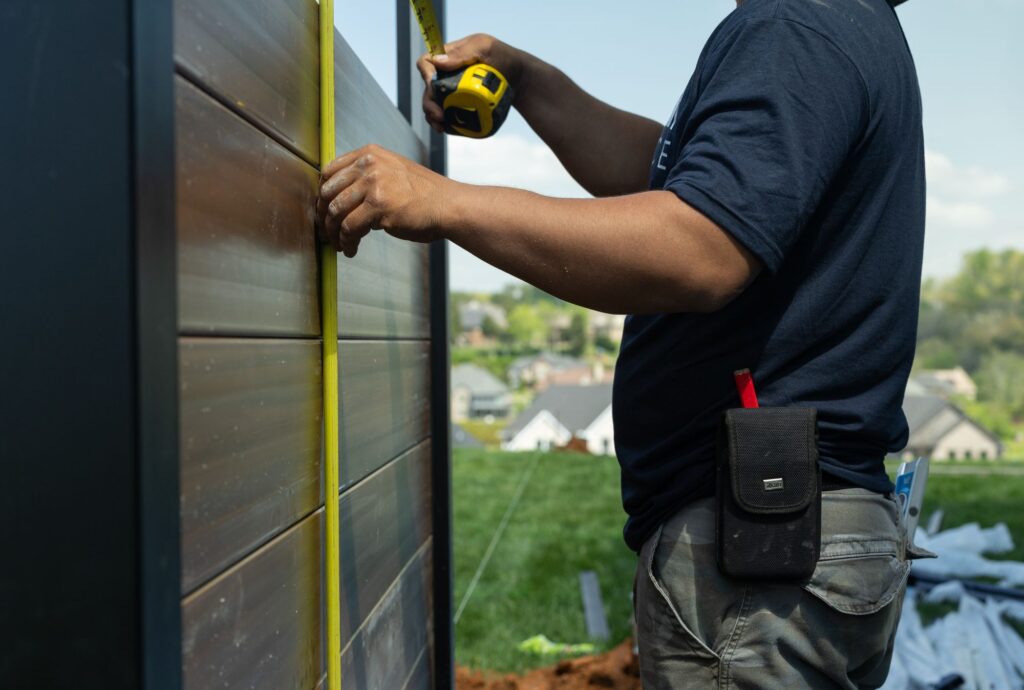
This is the biggest practical difference. Wood wants cleaning and re-staining or sealing every 2–4 years to look its best and resist moisture. Vinyl asks for almost nothing. An occasional rinse with a hose.
A new wood fence needs two coats of stain in its first year, on both sides, to keep the boards stable. Budget around $1,200 for that first year of staining on a typical yard when you compare it with vinyl.
If you love the ritual of maintaining a natural fence, wood rewards you; if you'd rather never think about it, vinyl is hard to beat.
Looks & Customization
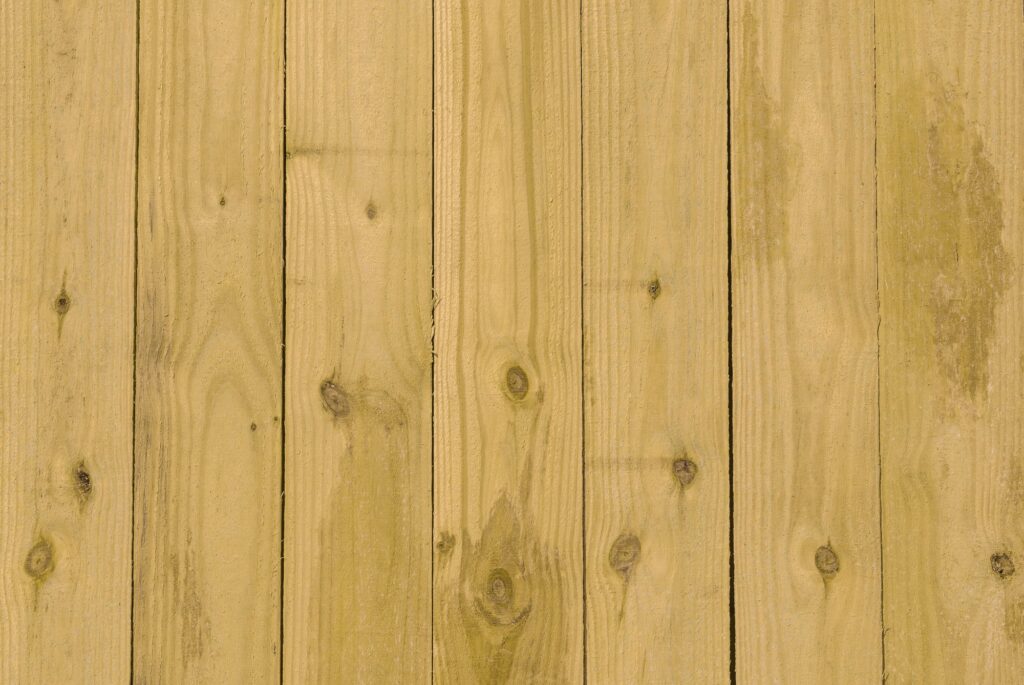
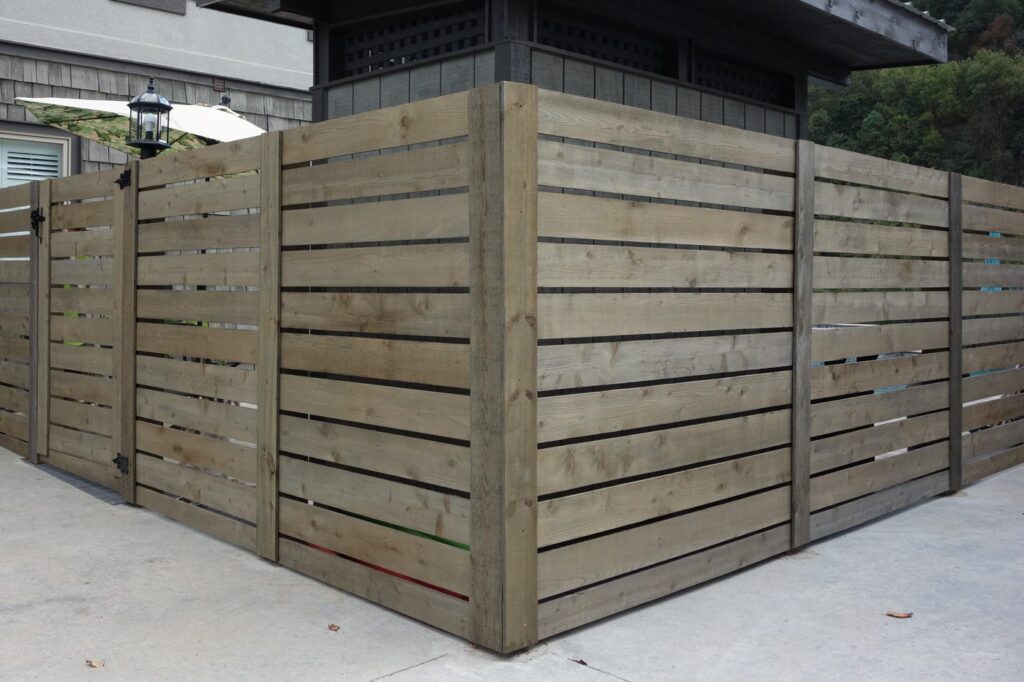
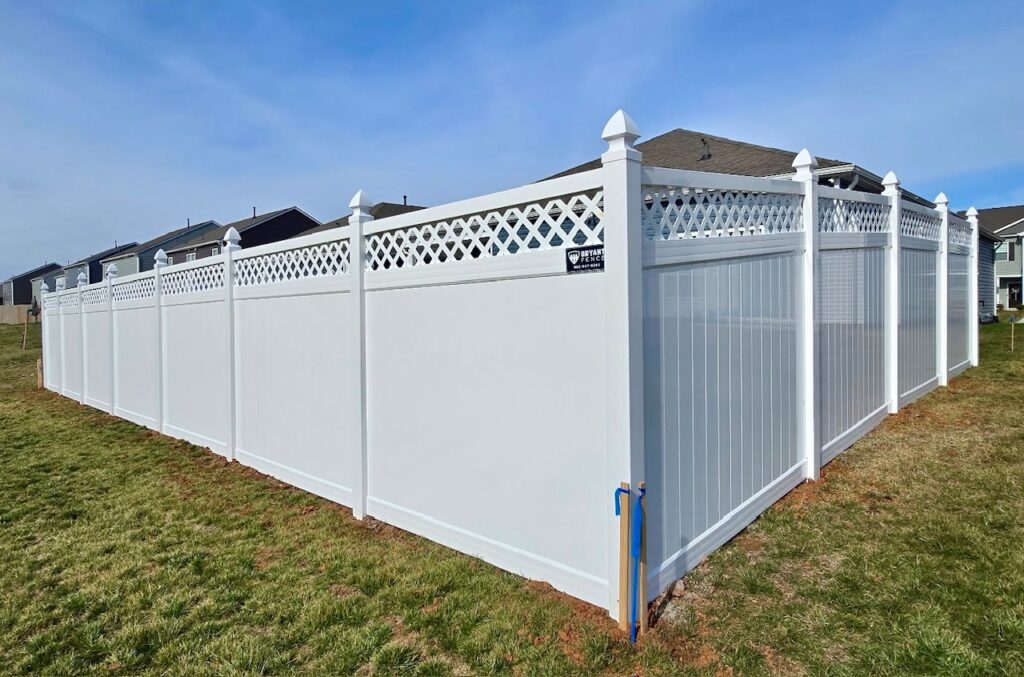
Wood offers unmatched natural warmth and flexibility. Countless styles (privacy, board-and-batten, Charleston, picket), plus the option to stain any color. Vinyl gives a crisp, uniform, always-clean look in white, tan, gray and woodgrain finishes, but with fewer bespoke options. This one comes down to taste.
Many homeowners see the knots and grain in wood as character. Vinyl gives you the clean look without the flaws: no painting, no termites, no warping and no splinters.
How Long Will You Live There?
This is the question most people skip, and it often decides the answer.
- Moving in 1–3 years: Wood is usually the better value. It costs less to install, and its upkeep costs stay low for the first few years.
- Staying 5–10 years or more: Vinyl (or aluminum) usually wins. Its higher price is paid back by about year 8, and it still looks new when you sell.
Fencing the Whole Yard or Just the Patio?
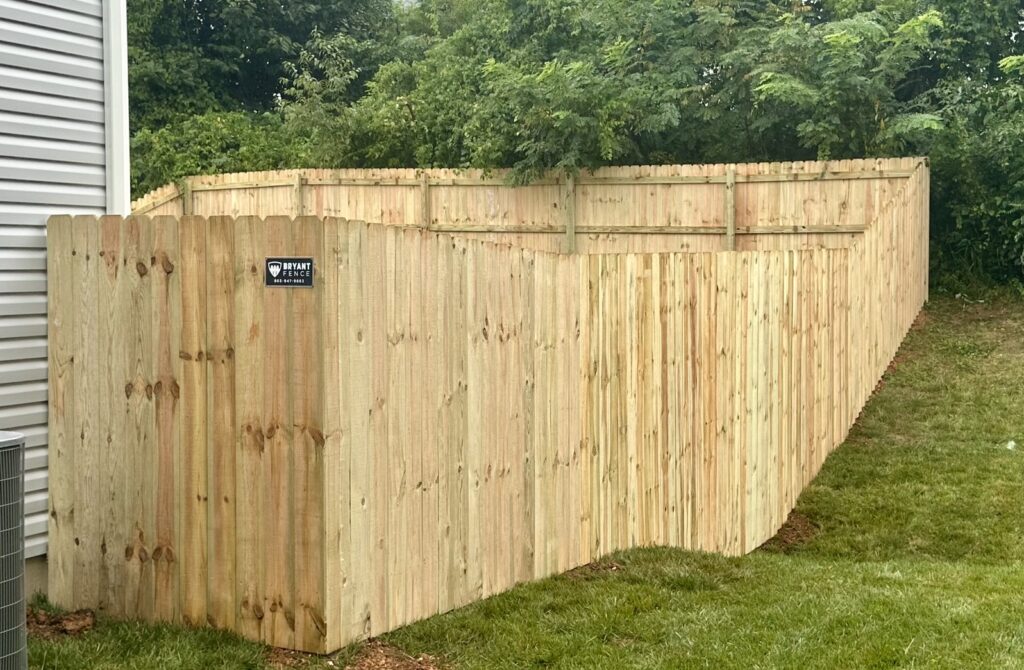
Project size changes the math. Fencing a whole yard in vinyl can stretch a budget, so many homeowners choose wood for the long runs. For a smaller area, like a patio or pool screen, the footage is short enough that low-maintenance vinyl often fits the same budget.
Home Value & Resale
Both can boost curb appeal and resale when professionally installed and suited to the neighborhood. Buyers love that vinyl needs no upkeep; others prefer the timeless look of a quality wood fence. Neither is a wrong answer for value.
Low-maintenance fences also hold their value longer. Over 10 years, vinyl and aluminum fences keep far more of their value than wood, which loses value quickly once it needs repair.
Wood vs. Vinyl Fence Pros and Cons
Wood
Pros
- Lowest upfront cost
- Natural, warm look
- Stain it any color
- Easy to repair one board
- Most style options
Cons
- Needs stain every few years
- Can warp, crack or rot
- Shorter life (15–20 years)
Vinyl
Pros
- Virtually no upkeep
- Lasts 25–30+ years
- Won't rot, warp or draw termites
- Often cheaper to own long-term
Cons
- Higher upfront cost
- Fewer custom styles
- Damaged sections are replaced, not patched

COMPARE FOR YOUR YARD
Wood or vinyl? Let's look at your yard.
We install both, so there's no reason to steer you either way. We'll walk your property and help you weigh the cost, upkeep, and look of each before you decide.
Prefer a conversation? Give us a call.
The Verdict
So, Which Should You Choose?
Choose Wood if…
You want lower upfront cost & natural looks
You love the warmth of real wood, want maximum style flexibility, don't mind occasional staining, or need to fit a tighter initial budget.
Choose Vinyl if…
You want low upkeep & long life
You'd rather never stain a fence, plan to stay in your home a while, and want the lowest long-term cost and best weather resistance.
Before you decide, answer these five questions
- What is the fence for: privacy, pets, kids, a pool, or looks?
- How much upkeep are you willing to do?
- Which look suits your home and neighborhood?
- How long will you live there?
- What is your budget, and how many feet do you need?
Still torn? We install both. On a free consult we'll walk your yard and give you honest guidance for your goals and budget.
Common Questions
Wood vs. Vinyl FAQs
MORE HELPFUL ANSWERS
A useful next step.
KEEP EXPLORING
Wood fencing
KEEP EXPLORING
Vinyl fencing
KEEP EXPLORING
All Fence Types
Get Honest Guidance. And a Free Quote
We'll help you choose wood or vinyl for your yard, budget and goals. No pressure, no obligation.
- BBB A+ Accredited
- Licensed & Insured in TN
- Family-Owned Since 1981
- Price Assurance Guarantee