Choosing the right fencing material for your home can be challenging. With so many options available, you might wonder whether aluminum fencing is the best choice for you. In this article, we’ll compare aluminum fencing with other popular materials. We’ll look at durability, maintenance, cost, and aesthetics. By the end, you’ll have a clearer idea of which fencing material suits your needs.
What is Aluminum Fencing?
Aluminum fencing is a type of fencing crafted from aluminum metal. It’s widely recognized for its sleek appearance and impressive durability. Aluminum fences are commonly used in both residential and commercial properties.
They offer a modern look that can significantly enhance the overall curb appeal of any property. Moreover, their versatility makes them a popular choice for various applications.
Aluminum Fencing Pros
Aluminum fencing offers several distinct advantages that make it a popular choice for many property owners. Its combination of durability, aesthetics, and low maintenance sets it apart from other fencing materials.
Whether you’re looking to renovate your home’s curb appeal, ensure long-lasting performance, or enjoy a hassle-free fence, aluminum fencing provides a range of benefits that cater to these needs. Let’s check out why aluminum fencing might be the ideal choice for your property.
Durability
Aluminum fences are celebrated for their robust strength. They effectively resist rust and corrosion, making them well-suited for various weather conditions.
Unlike wood, aluminum doesn’t rot or warp over time. This durability ensures that Aluminum fencing remains in great shape with minimal effort. Consequently, it is a low-maintenance option that can last for many years.
Aesthetics
Aluminum fences come in a wide range of styles and colors. They can easily mimic the elegant look of wrought iron but are much lighter and more affordable.
This flexibility in design allows homeowners to choose a fence that matches their property’s style. As a result, aluminum fencing adds a touch of sophistication without the high cost.
Maintenance
Maintaining Aluminum fencing is straightforward and hassle-free. Regular cleaning with soap and water is usually sufficient to keep it looking fresh and new. Unlike wood or wrought iron, aluminum does not require painting or staining to maintain its appearance. Therefore, it remains an attractive and low-maintenance choice for any property.
Security
Aluminum fences can be designed with small gaps between the panels, making them an excellent option for keeping pets and children safe within the yard.
Additionally, they can be equipped with locking gates to provide an extra layer of security. This feature ensures that your property remains secure while maintaining an open and inviting look.
Comparing Aluminum Fencing to Other Materials
When choosing the right fencing material, it’s essential to consider various options to find the best fit for your needs. Aluminum fencing is just one of several popular choices, each with its unique characteristics.
Let’s compare aluminum fencing with other common materials such as wood, vinyl, and wrought iron. We’ll check key factors like cost, maintenance, and durability to help you make an informed decision.
Aluminum vs Wood Fence
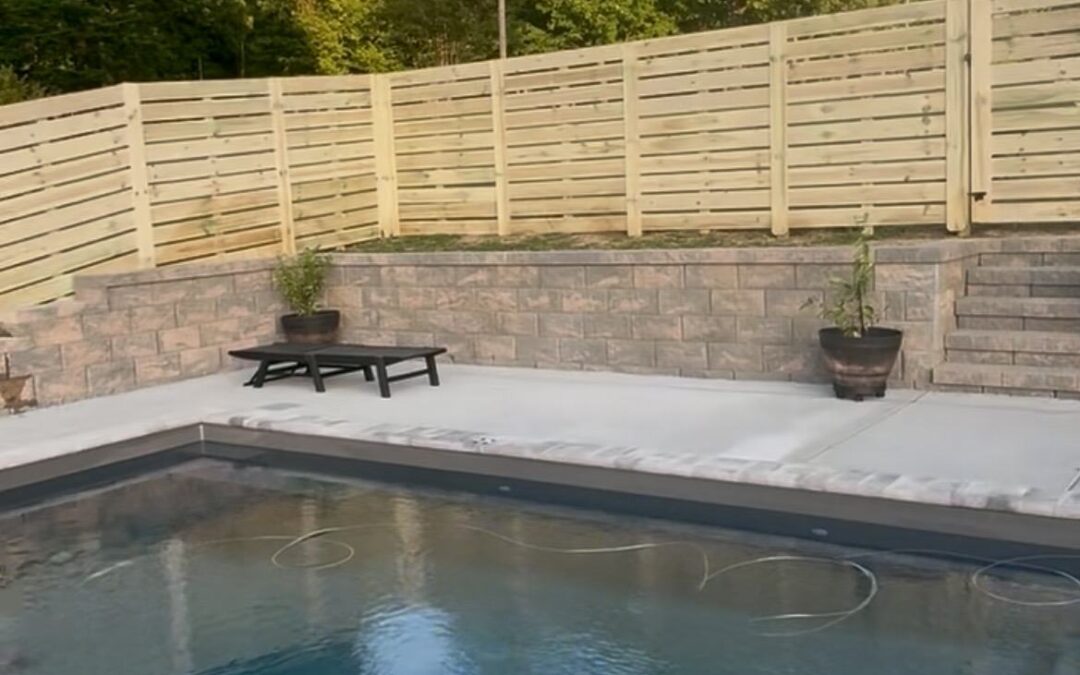
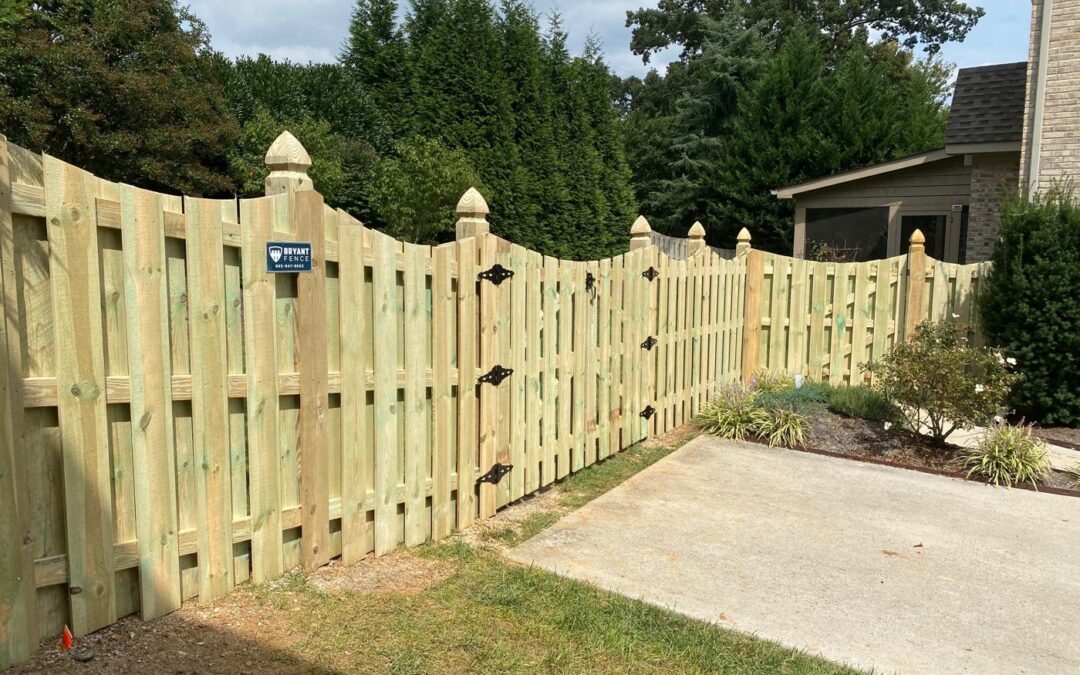
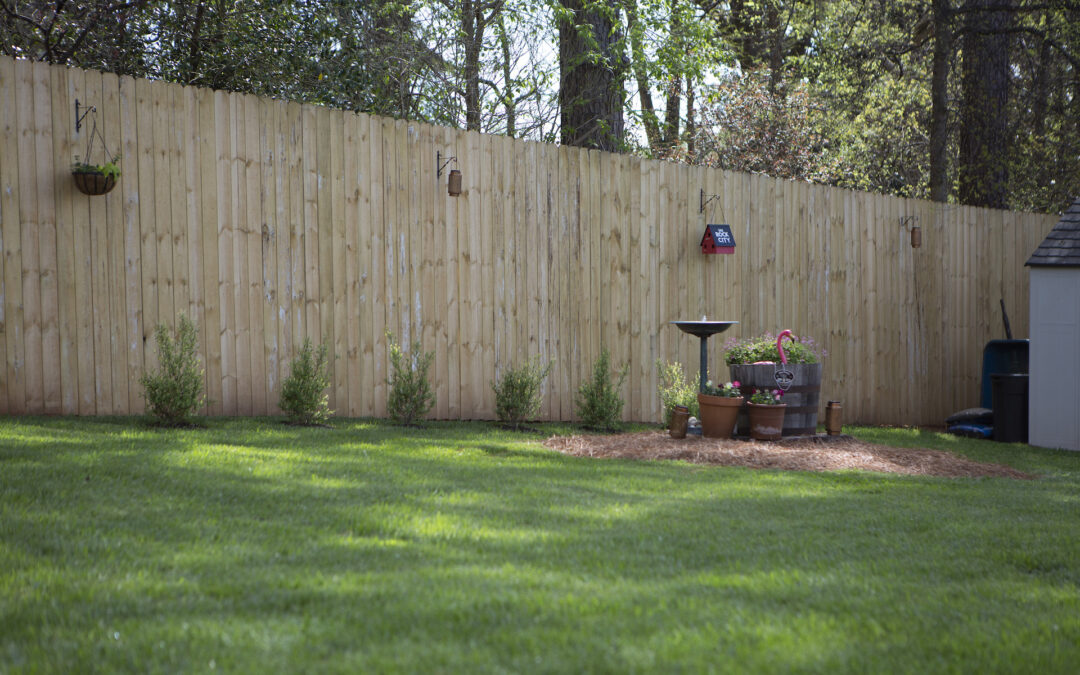
Initially, wood fencing may seem like a budget-friendly choice compared to aluminum. However, as time goes on, the costs of maintaining wood—such as repairs, painting, and staining—can quickly add up. In contrast, Aluminum fencing requires minimal upkeep, needing little more than an occasional wash.
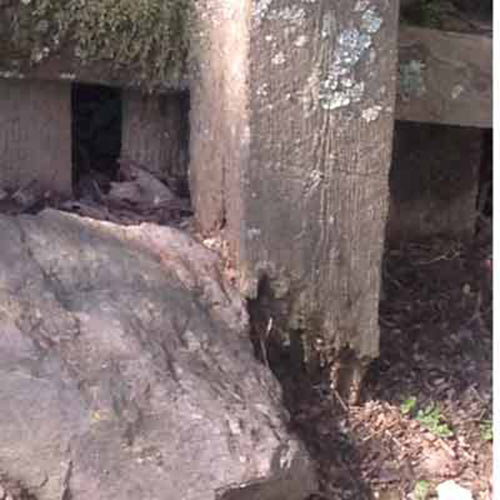
Moreover, while wood is vulnerable to rot, termites, and weather damage, aluminum stands strong against these issues and generally lasts much longer. Consequently, aluminum often proves to be a more cost-effective and durable option in the long run.
Aluminum vs Vinyl Fence
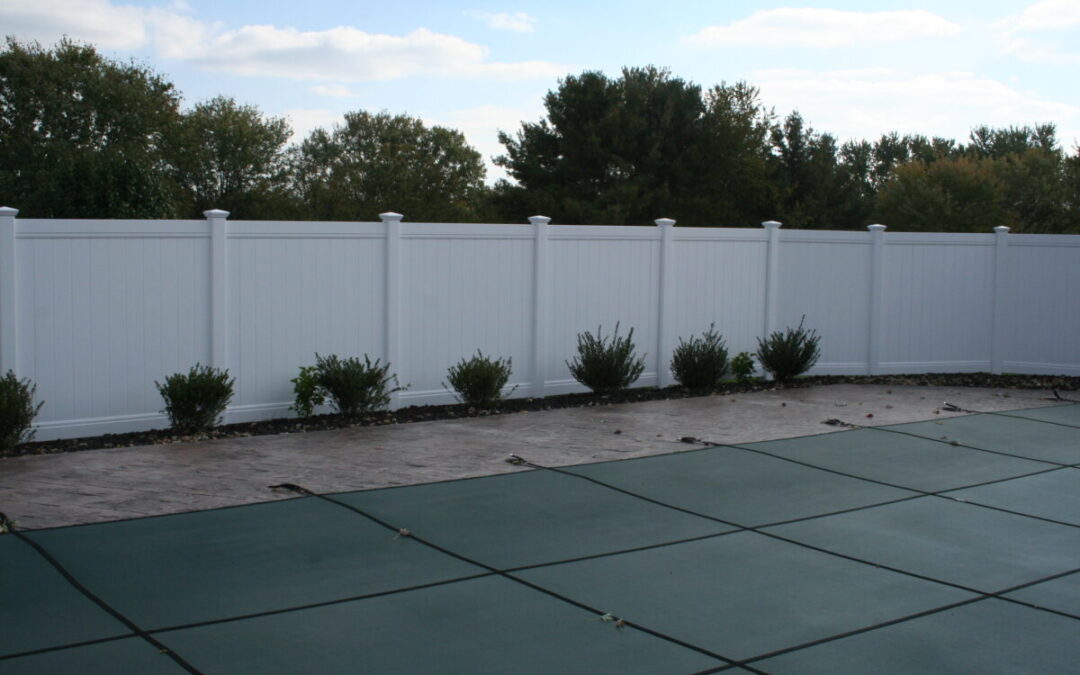
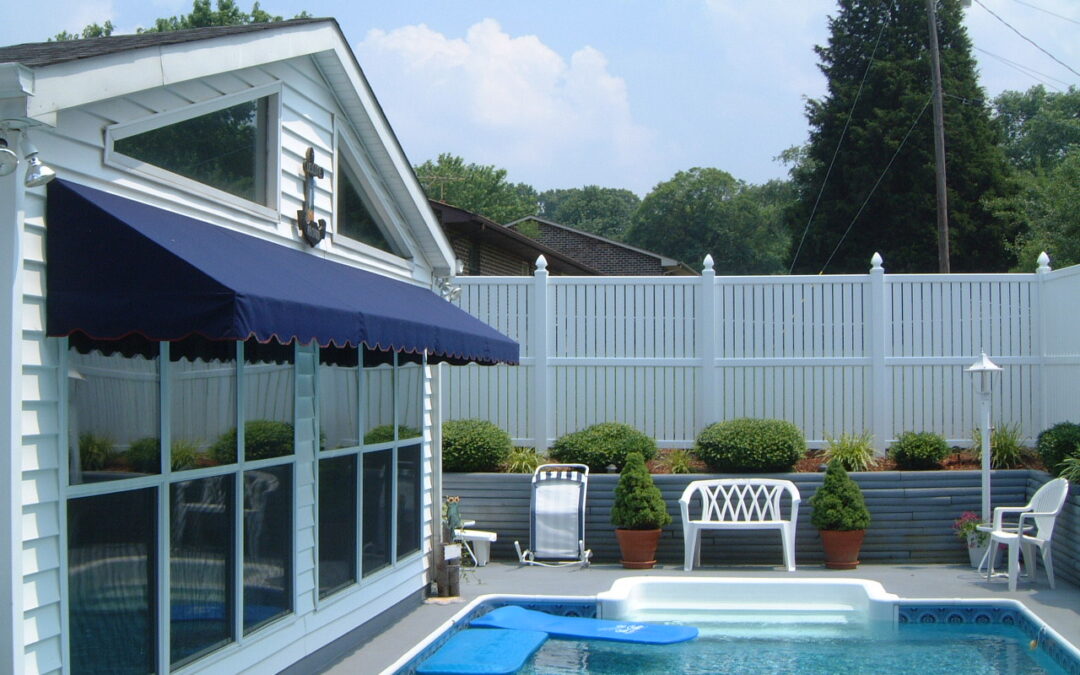
Vinyl fencing typically comes with a higher initial price tag compared to aluminum. Nevertheless, it offers similar low-maintenance advantages. Both vinyl and aluminum fences require minimal upkeep, as neither needs painting or staining.
However, vinyl can become brittle and crack in extreme temperatures, whereas aluminum maintains its stability and durability. Therefore, while vinyl may have a higher upfront cost, aluminum often proves to be a more reliable and long-lasting option.
Aluminum vs Wrought Iron Fence
Wrought iron fencing usually comes with a higher price tag compared to aluminum, requiring both a larger initial investment and ongoing maintenance. Wrought iron fences need regular painting to prevent rust, while aluminum fences do not require such extensive care.
Although wrought iron is strong, its susceptibility to rust makes it less durable if not properly maintained. In contrast, aluminum fences are highly resistant to rust and corrosion, making them a more low-maintenance and long-lasting choice.
Aluminum vs Steel Fence
Ornamental steel fencing is heavier and stronger than aluminum, so it is often used for commercial security. The trade-off is rust: steel is galvanized and powder-coated, but once the coating is scratched it can rust, while aluminum cannot. For most homes and pools, aluminum is strong enough, lighter, easier to install on slopes and needs less care. Choose steel when you need maximum strength.
Aluminum Fence vs Chain Link
Chain link costs less and works well for pets, sports fields and utility areas. An aluminum fence costs more but looks far more finished, adds curb appeal and can meet pool code. If looks matter, aluminum wins; if budget and function come first, chain link is hard to beat.
Factors to Consider When Choosing Fencing
Selecting the right fencing material involves evaluating several important factors. The best choice for your property will depend on your specific needs and preferences. Here are some key aspects to consider:
Budget: Determine how much you are willing to spend. While Aluminum fences may have a higher initial cost compared to some materials, their low maintenance can save you money over time. Investing in a quality fence can be cost-effective in the long run.
Maintenance: Consider how much time you want to spend maintaining your fence. Aluminum is a low-maintenance option that requires minimal upkeep, while wood and wrought iron demand more frequent care to keep them in good shape. Choose a material that fits your lifestyle and maintenance preferences.
Aesthetics: Think about the look you want for your property. Aluminum fencing offers a sleek, modern appearance that can enhance curb appeal. Wood provides a classic, natural look with warm tones and textures, while wrought iron adds an ornate and elegant design to your space. Select a style that complements your home's architecture.
Durability: Assess the climate in your area. Aluminum fences are ideal for various weather conditions, offering resilience against rust and corrosion. Other materials may have limitations, such as wood's susceptibility to rot or vinyl's brittleness in extreme temperatures. Choose a material that will withstand your local climate.
Security: Ensure the fencing material you choose provides the level of security you need. Aluminum fences can be designed with features like small gaps and locking gates to enhance security. Evaluate your security needs and select a fence that offers the protection you require.
Conclusion
Aluminum fencing is a strong, stylish, and low-maintenance option compared to wood, vinyl, and wrought iron. It offers durability and a modern appearance without the need for regular upkeep. When choosing the best fencing material, consider factors like cost, maintenance, aesthetics, durability, and security. Ultimately, Aluminum fences stand out as a reliable choice for many homeowners.
Refresh your home's look with aluminum fencing! Contact Bryant Fence today for a free quote and see how easy it is to redecorate your home’s style and security. Act now and enjoy the perfect blend of elegance and low-maintenance convenience!
Ready to start your project? Browse our Fence Guide or request a free quote. Call Bryant Fence at (865) 947-9663.