Putting in a pool, or replacing the fence around one? Inside Knoxville city limits, residential pool barriers follow Section 305 of the 2018 International Swimming Pool and Spa Code (ISPSC), and Tennessee law adds a pool alarm requirement. The city inspects the barrier before the pool can be used.
This checklist sums up the City of Knoxville's published residential pool barrier guidelines in plain English, so you can plan a fence that passes inspection the first time. Rules can differ in Knox County, Farragut, Maryville, Oak Ridge and other towns, so always confirm with your local codes office.
Key Takeaways
- Knoxville pool barriers follow Section 305 of the 2018 International Swimming Pool and Spa Code (ISPSC).
- The barrier must be at least 48 inches tall measured on the outside, with no opening a 4-inch sphere can pass through.
- Walk-through pool gates must open outward, away from the pool, and be self-closing and self-latching.
- Tennessee law requires a pool alarm that sounds at least 50 decibels when 15 pounds or more enters the water.
- New pools need a building permit and must pass inspection before use; rules can differ outside city limits.
Knoxville Pool Fence Requirements at a Glance
| Requirement | City of Knoxville guideline |
|---|---|
| Minimum height | 48 inches, measured on the outside of the barrier (5 feet or taller recommended) |
| Gap under the fence | Max 2 inches over grass or gravel, 4 inches over concrete, 1 inch for removable mesh |
| Openings | No opening a 4-inch sphere can pass through |
| Climbable objects | Keep a 36-inch clear zone outside the barrier |
| Walk gates | Open outward, away from the pool; self-closing and self-latching |
| Latch | If the release is under 54 inches from the bottom of the gate, it must be on the pool side, at least 3 inches below the top |
| Pool alarm | Required by Tennessee law (sounds when 15+ lbs enters the water) |
| Permit | Required for new in-ground and above-ground pools, spas and hot tubs (prefab pools under 24 inches deep excepted) |
1. Height: At Least 48 Inches on the Outside
The top of the barrier must be at least 48 inches above the ground on the outside of the fence, the side a child would climb from. The city recommends 5 feet or taller. Watch sloped yards: the fence has to measure 48 inches at every point, not just on average.
2. Gaps Under the Fence
- Over grass or gravel: 2 inches max
- Over concrete or another solid surface: 4 inches max
- Removable mesh fences: 1 inch max
3. Openings, Pickets and Rails
No opening anywhere in the barrier can let a 4-inch sphere pass through. Beyond that, the rules depend on how the fence is built, because horizontal rails can act as a ladder:
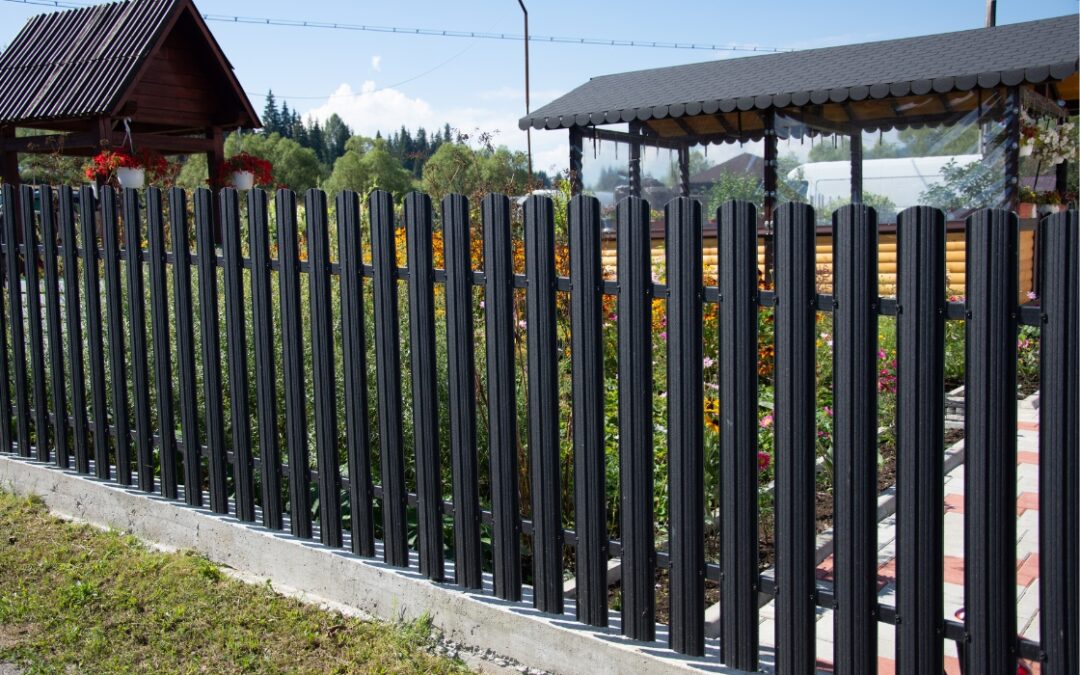
- Horizontal rails less than 45 inches apart (top to top): put the rails on the pool side, and keep spaces between vertical members to 1¾ inches or less.
- Horizontal rails 45 inches or more apart: rails can be on the outside, and vertical spacing can be up to 4 inches.
- Lattice and other diagonal members: openings of 1¾ inches or less.
- Chain link: mesh no larger than 1¼ inches square, unless slats reduce openings to 1¾ inches or less.
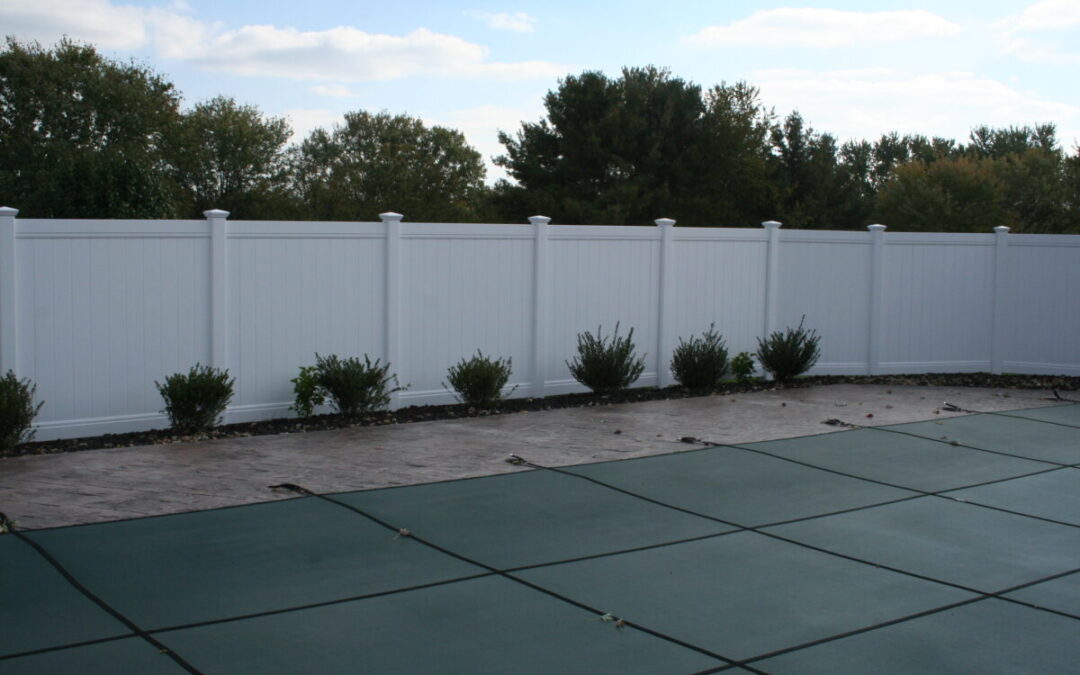
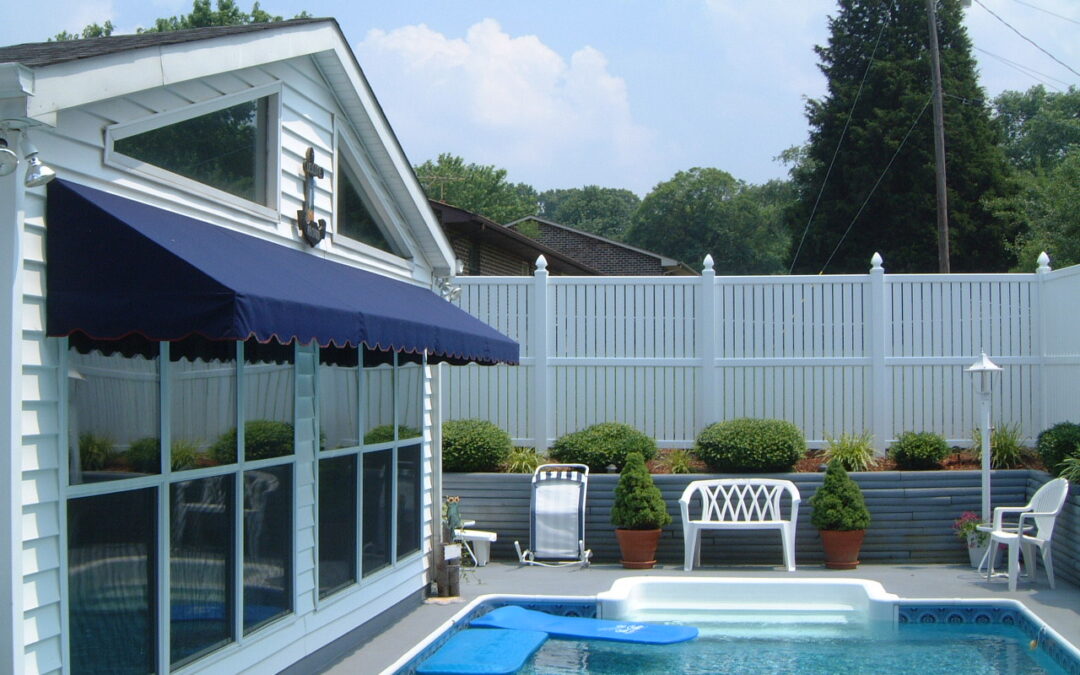
This is why most pool fences we build are aluminum with closely spaced pickets, or vinyl privacy. Learn more on our pool fence installation page and in 3 problems with swimming pool fences.
4. Pool Gates
The gate is the weakest point of any pool fence, because it's the part that opens. Under the city's guidelines:
- Every gate needs a locking device.
- Walk-through gates must open outward, away from the pool.
- Walk-through gates must be self-closing and self-latching.
- Utility and driveway gates must be self-latching.
- If the latch release is less than 54 inches from the bottom of the gate, it must be on the pool side, at least 3 inches below the top, with no opening larger than ½ inch within 18 inches of the release.
We cover gate hardware in detail in swimming pool gates: 5 safety rules.
Want it to pass the first time? We plan pool fences and gates around the inspection: height on the outside grade, gaps, picket spacing and gate hardware. You can get a free quote or call (865) 947-9663.
5. When Your House Is Part of the Barrier
If a wall of your home forms one side of the pool barrier, the doors and windows that open toward the pool need extra protection. The city's guidelines allow one of these:
- Door alarms on every door with direct access to the pool (UL 2017 listed, sounding within 7 seconds for at least 30 seconds, with the shut-off switch at least 54 inches above the threshold)
- A power safety cover on the pool that meets ASTM F1346
- Other measures, such as self-closing, self-latching doors, that give equal protection
Operable windows with a sill less than 48 inches above the floor also need alarms.
6. Tennessee Pool Alarm Requirement
Tennessee law (Katie Beth's Law) requires a pool alarm that sounds at least 50 decibels when a person or object weighing 15 pounds or more enters the water. It must meet ASTM F2208 and be installed to the manufacturer's instructions. Larger pools may need more than one.
7. Above-Ground Pools
The pool wall itself can serve as the barrier, or a barrier can be mounted on top. If it's mounted on top, the gap between the pool and the barrier can't be more than 4 inches. Ladders and steps must be lockable or removable, or surrounded by their own barrier.
8. Permits and Inspection
In the City of Knoxville, new in-ground and above-ground pools, spas and hot tubs need plan review, a building permit and inspections (prefabricated pools under 24 inches deep are the exception). Plans should show the site, the barrier details including gate locations, and the pool alarm. The pool can't be used until it passes inspection. For fence permits in general, see our fence permits & rules guide.
Pool Fence Inspection Checklist
- ☐ 48 inches or taller, measured on the outside, all the way around
- ☐ Gaps under the fence within 2 inches (grass) or 4 inches (concrete)
- ☐ No opening a 4-inch ball can pass through
- ☐ Rails and picket spacing meet the 45-inch rule
- ☐ 36 inches clear of climbable objects outside the fence
- ☐ Walk gates open out, self-close and self-latch
- ☐ Latch height or pool-side latch placement correct
- ☐ Door/window alarms or safety cover if the house is part of the barrier
- ☐ Tennessee-compliant pool alarm installed
This guide summarizes the City of Knoxville's published residential pool barrier guidelines for planning purposes. It isn't legal advice. Your codes office has the final word.
Sources
- City of Knoxville: residential swimming pool barriers guidelines (PDF)
- 2018 International Swimming Pool and Spa Code (ISPSC), Section 305, as adopted by the City of Knoxville
Frequently Asked Questions
How tall does a pool fence need to be in Knoxville, TN?
At least 48 inches, measured on the outside of the barrier. The City of Knoxville recommends 5 feet or taller.
Which way should a pool gate open?
Walk-through pool gates must open outward, away from the pool, and must be self-closing and self-latching.
How far apart can pool fence pickets be?
No opening can let a 4-inch sphere through. If the horizontal rails are less than 45 inches apart, the rails go on the pool side and vertical spacing is limited to 1¾ inches.
Do I need a pool alarm in Tennessee?
Yes. Tennessee law requires a pool alarm that sounds at least 50 decibels when a person or object of 15 pounds or more enters the water.
Do I need a permit for a pool fence in Knoxville?
A new pool needs a building permit, plan review and inspections in the City of Knoxville, and the barrier is part of that review. Rules can differ in Knox County and other towns, so check with your local codes office.
Planning a pool fence? See our pool fence installation page, then get a free quote or call (865) 947-9663.