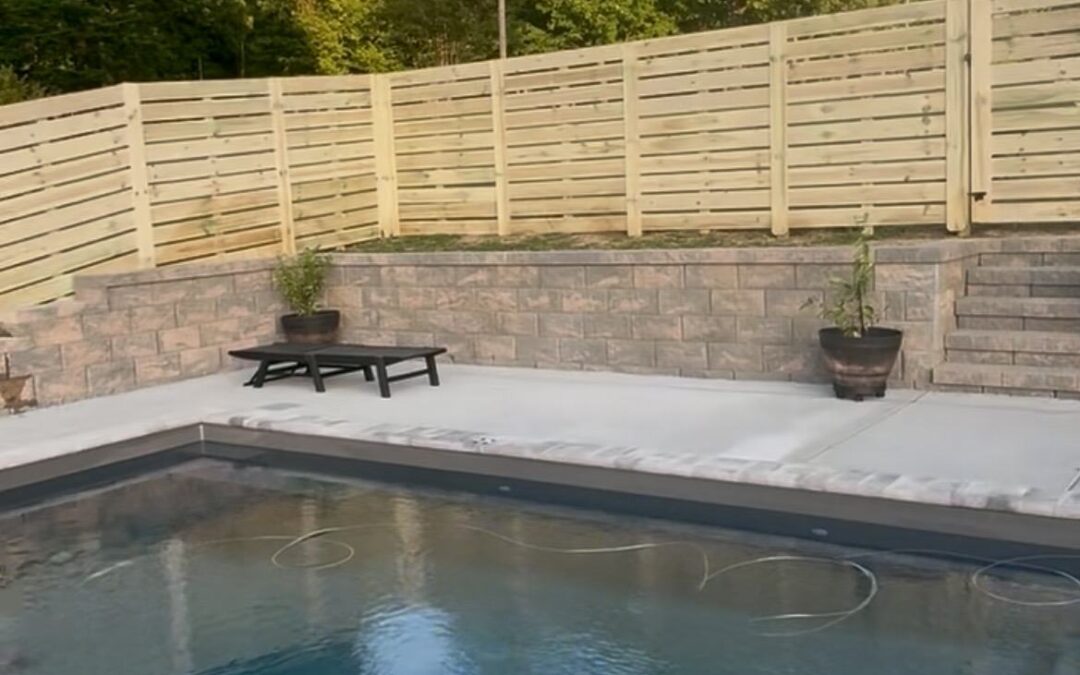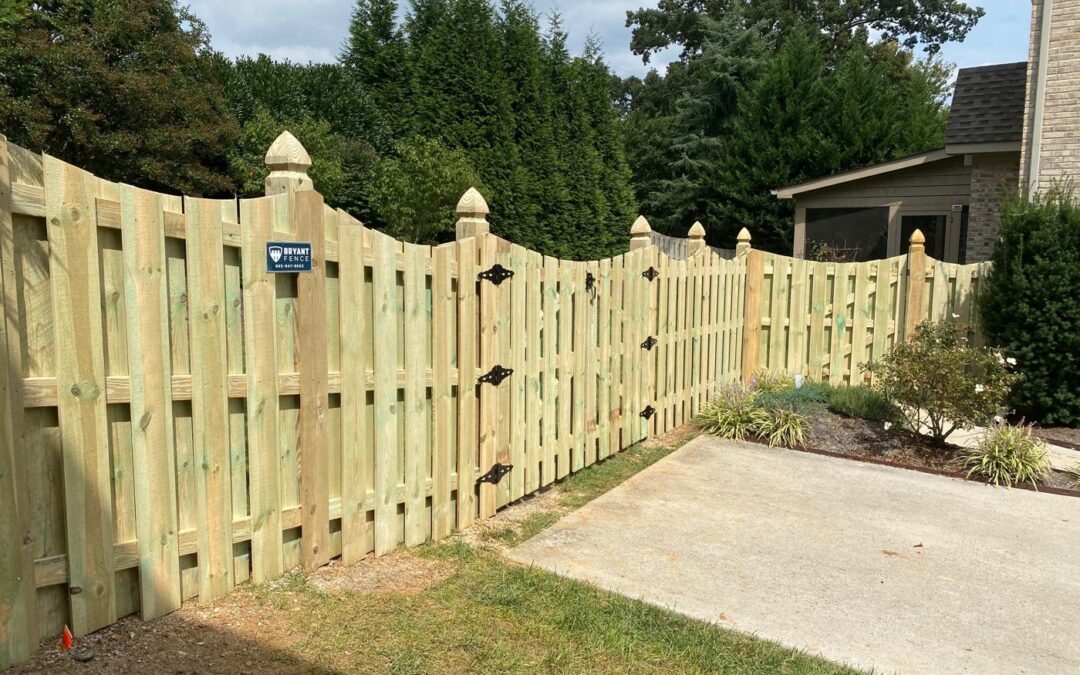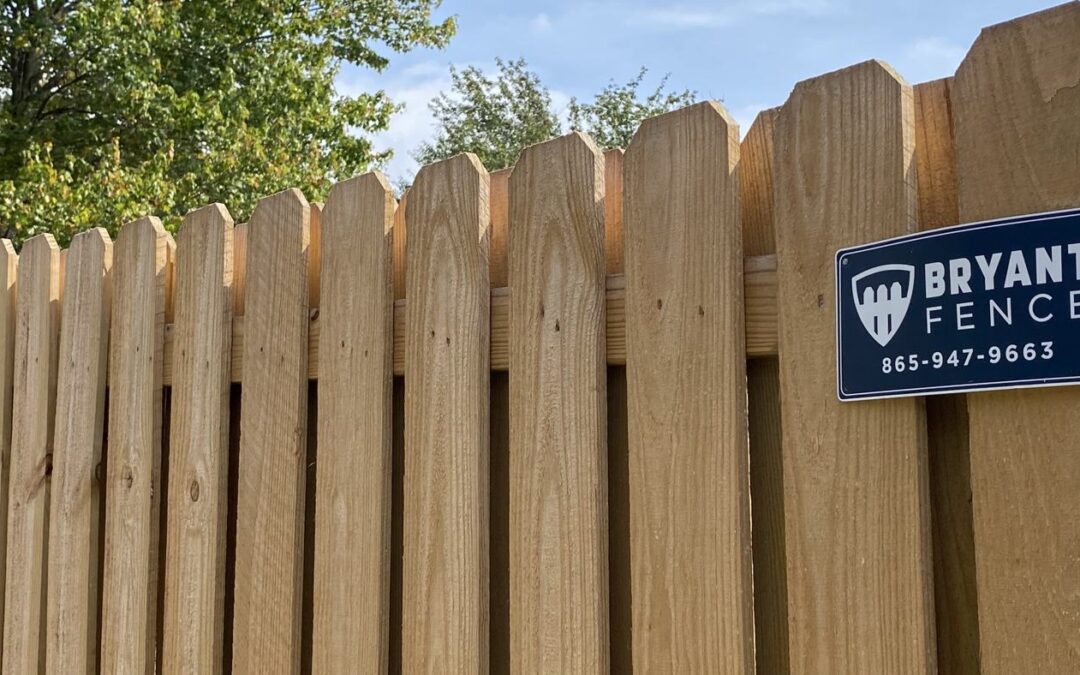
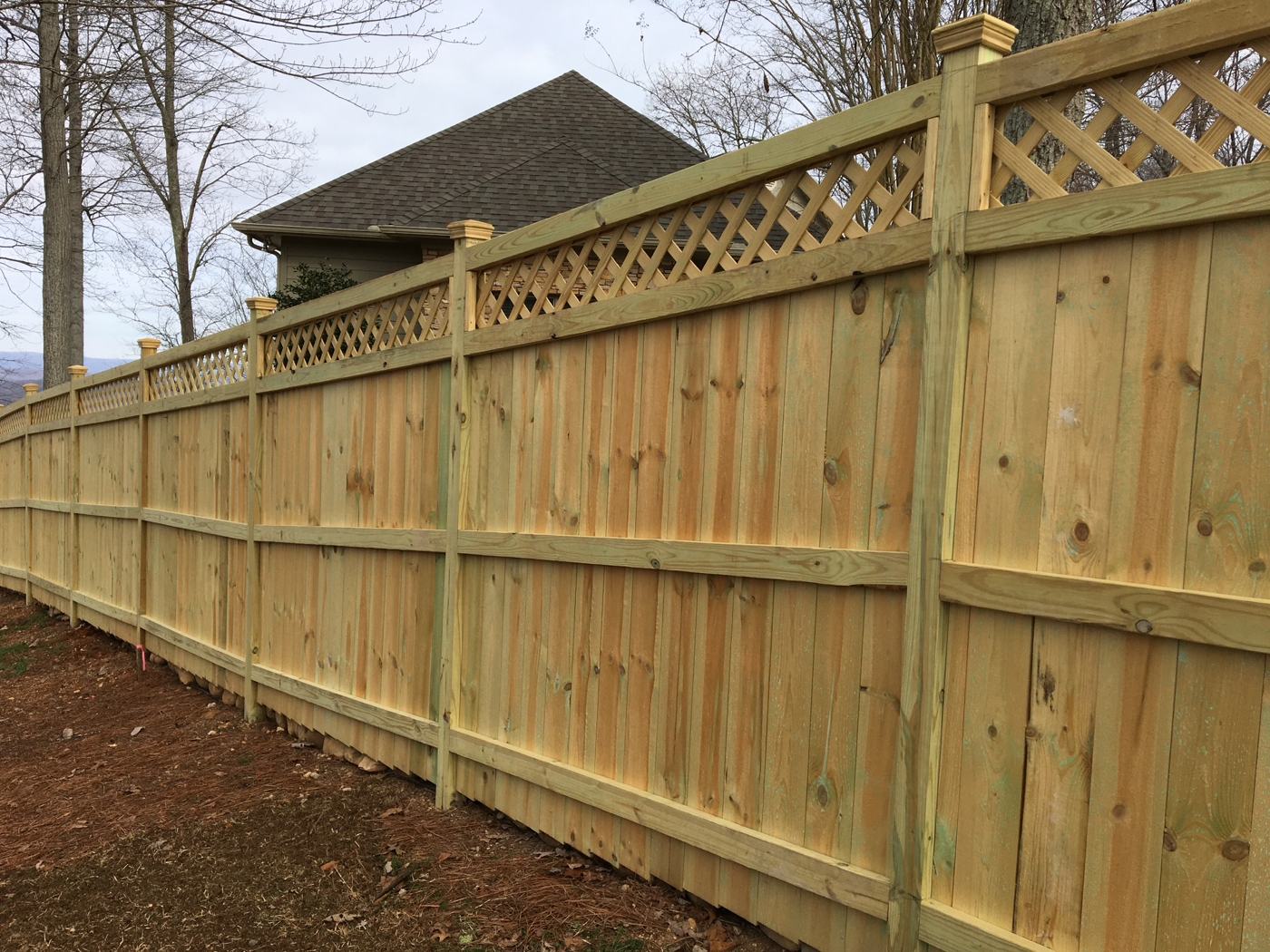
Is cypress a good wood for a fence? Yes. Cypress boards and pickets look great, take stain well and have some natural rot resistance. But in East Tennessee there's one rule that matters more than the wood you pick: cypress posts should not go in the ground. Set cypress boards on pressure-treated pine posts and you get the look of cypress with posts that stand up to our termites.
Here's what we've learned building wood fences in the Knoxville area since 1981, and how cypress compares with cedar and treated pine.
Key Takeaways
- Cypress makes a good fence board: light golden color, straight grain, takes stain well, with some natural rot resistance.
- Its natural resistance varies by board, because most cypress sold today has less heartwood than old-growth wood.
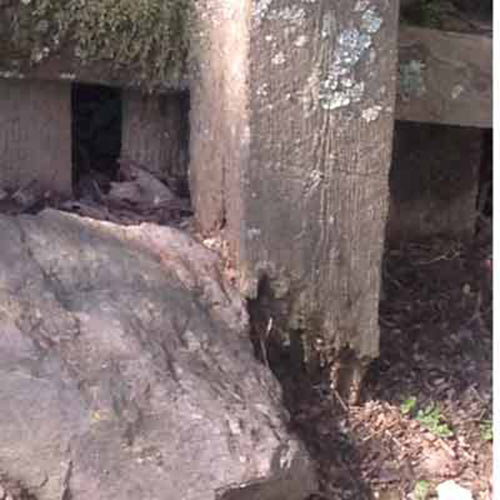
- Don't set cypress posts in the ground in East Tennessee; cypress and cedar posts here often need replacing within 5 to 10 years because of termites.
- Use cypress boards on pressure-treated pine posts set below the frost line in concrete.
- A well-built wood fence here typically lasts 15 to 20 years; sealing and keeping soil off the boards helps.
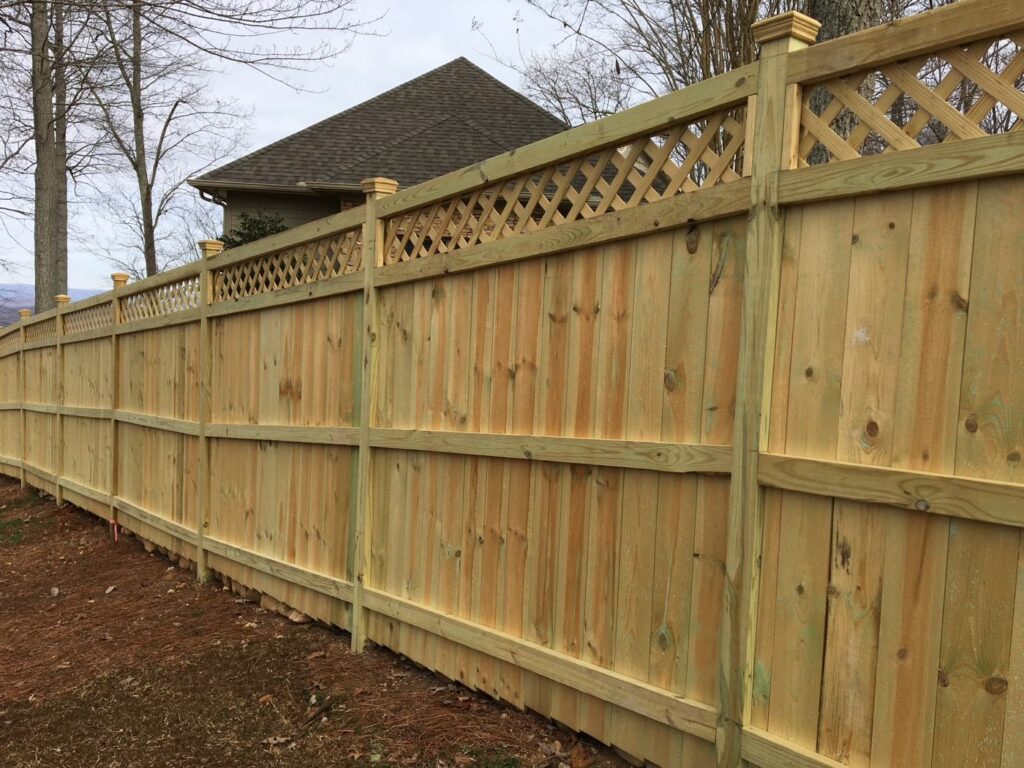
What Is Cypress Wood?
Cypress is a Southern softwood. It has a light, golden color with a straight grain, and it weathers to a soft gray if you leave it unsealed. Like cedar, it gets its rot resistance from natural oils in the heartwood, the darker center of the tree.
The catch: most cypress sold today is younger, faster-grown wood with less heartwood than old-growth cypress. So its natural resistance varies from board to board. Two boards from the same bundle can age differently.
Cypress Fence Pros and Cons
| Pros | Cons |
|---|---|
| Light, golden color with a straight grain | Natural resistance varies by board |
| Takes stain and sealer well | Posts in the ground are vulnerable to termites here |
| Fairly stable as it dries | Limited availability in East Tennessee; price varies |
| Some natural rot resistance above ground | Usually costs more than treated pine |
Cypress vs. Cedar vs. Treated Pine
| Factor | Cypress | Cedar | Treated pine |
|---|---|---|---|
| Posts in the ground (East TN) | Not recommended | Not recommended | ✓ Treated for ground contact |
| Boards & pickets | Natural oils, varies by board | ✓ Natural rot & insect resistance | Resistance added by treatment |
| Stability as it dries | Fairly stable | ✓ Stays straighter | More prone to warp & shrink |
| Look | Light golden color | Rich reddish color | Greenish tint at first |
| Availability in East TN | Limited, price varies | Good | ✓ Easiest to get |
✓ marks the stronger option. For the full three-way comparison, read our cedar vs. pine vs. cypress fence guide.
Why Posts Matter More Than Boards in East Tennessee
East Tennessee sits in the termite belt. Subterranean termites live in the soil, and a wooden post set in the ground is exactly what they look for. Treated pine posts are pressure-treated for ground contact. Untreated cypress and cedar posts don't have that protection. In our experience, cypress and cedar posts set in East Tennessee soil often need replacing within 5 to 10 years.
That's why almost every wood fence we build sits on treated pine posts, even when the boards are cedar or cypress. You keep the look you want above ground and the strength you need below it. We also set posts below the frost line in concrete, because Knoxville's red clay shifts with freeze-thaw cycles.
Pricing a cypress fence? Because cypress is less common here, we quote it side by side with cedar and treated pine so you can compare the real numbers for your yard. get a free quote or call (865) 947-9663.
How Much Does a Cypress Fence Cost?
Installed wood fences around Knoxville typically run about $19 to $42 per linear foot, depending on height, style, wood type, terrain and gates. Cypress boards usually land toward the upper part of that range, near cedar, but the price of cypress moves with supply. See our Knoxville fence cost guide for what drives the total.
How Long Does a Cypress Fence Last?
A well-built wood fence in East Tennessee typically lasts 15 to 20 years. For a cypress fence, the biggest factors are:
- The posts. Treated pine posts rated for ground contact, not cypress posts.
- The boards you get. More heartwood means more natural resistance.
- Sealing. Stain and seal once the wood has dried, then re-coat as needed. See our staining and sealing guide.
- Drainage and ground contact. Keep soil, mulch and sprinklers off the bottom of the boards.
Is a Cypress Fence Right for You?
Choose cypress if you love its light, golden look and are happy to seal it. Choose cedar if you want the most consistent natural rot resistance and stability. Choose treated pine if value and availability come first. Whichever you pick, put it on treated pine posts. If you want privacy with less upkeep, compare wood with vinyl in our wood vs. vinyl fencing guide.
Sources
- Bryant Fence cedar vs. pine vs. cypress fence guide
- Bryant Fence wood fence myths (termites and treated posts)
Frequently Asked Questions
Is cypress good for a fence?
Yes. Cypress boards and pickets look great and have some natural rot resistance, though it varies by board. In East Tennessee, set cypress boards on pressure-treated pine posts, because cypress posts in the ground are vulnerable to termites.
Cypress vs. cedar: which is better for a fence?
Cedar is usually more stable, easier to get in East Tennessee, and its rot resistance is more consistent. Cypress has a lighter, golden look. For either one, treated pine posts give the fence the best protection against termites.
Do termites eat cypress fences?
They can. Cypress heartwood has natural oils that slow insects down above ground, but cypress posts set in the soil aren't treated for ground contact. In our experience, cypress and cedar posts in East Tennessee soil often need replacing within 5 to 10 years.
How long does a cypress fence last?
A well-built wood fence in East Tennessee typically lasts 15 to 20 years. Treated pine posts, good boards and regular sealing help a cypress fence reach the top of that range.
Should I stain a cypress fence?
Yes, once the wood has dried. Cypress takes stain well, and a sealer slows weathering and helps the color last.
Planning a wood fence? See our wood fence installation page, then get a free quote or call (865) 947-9663.