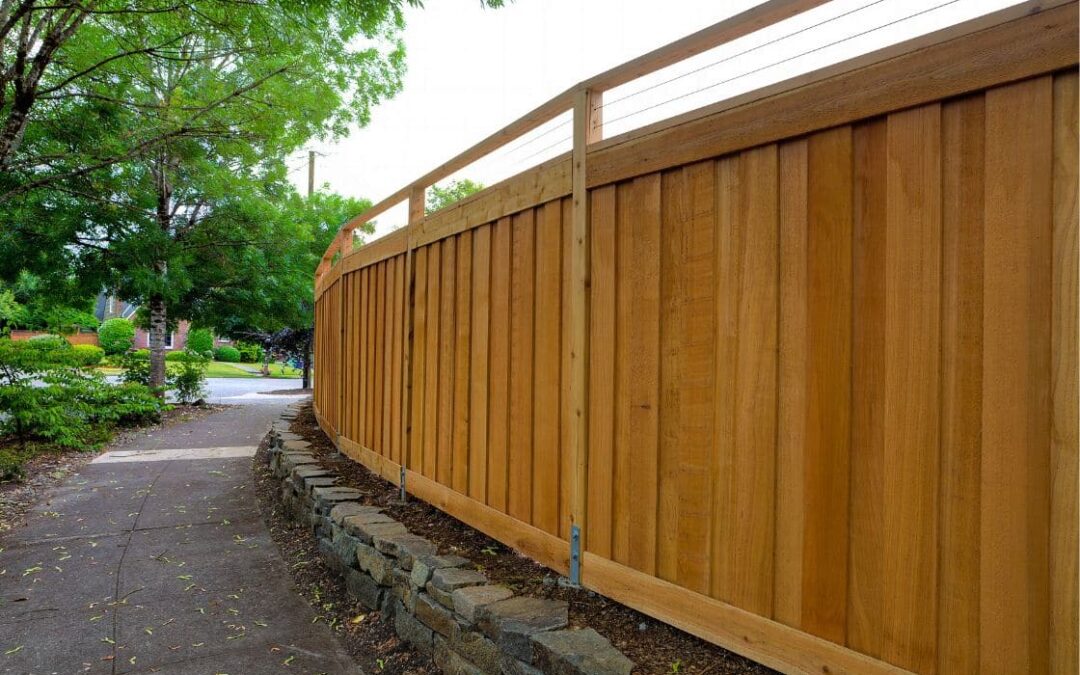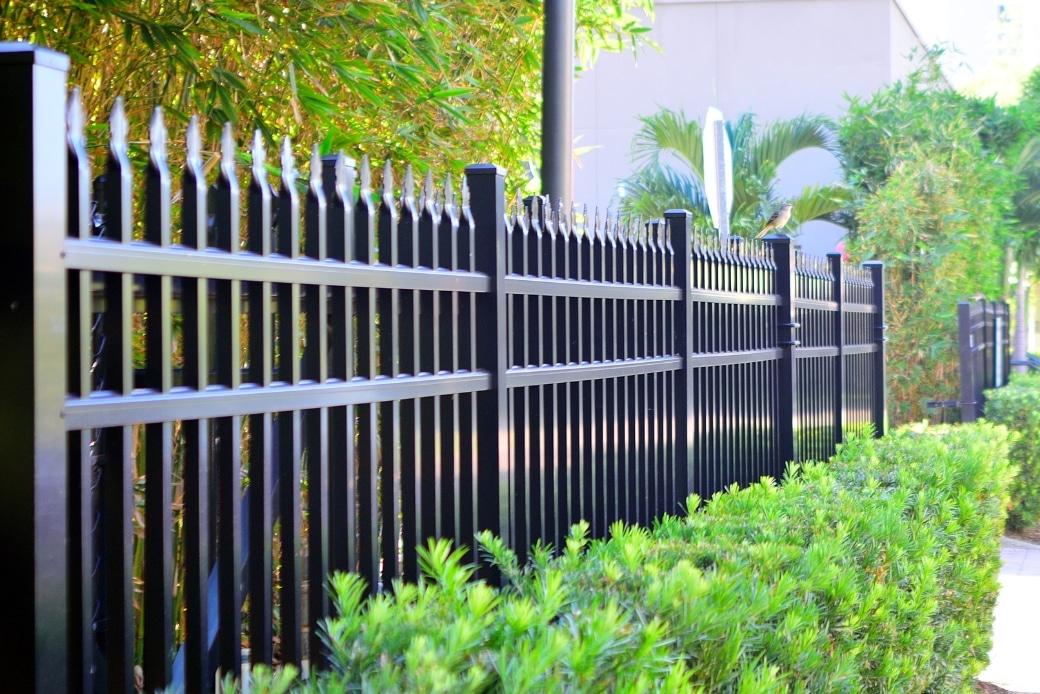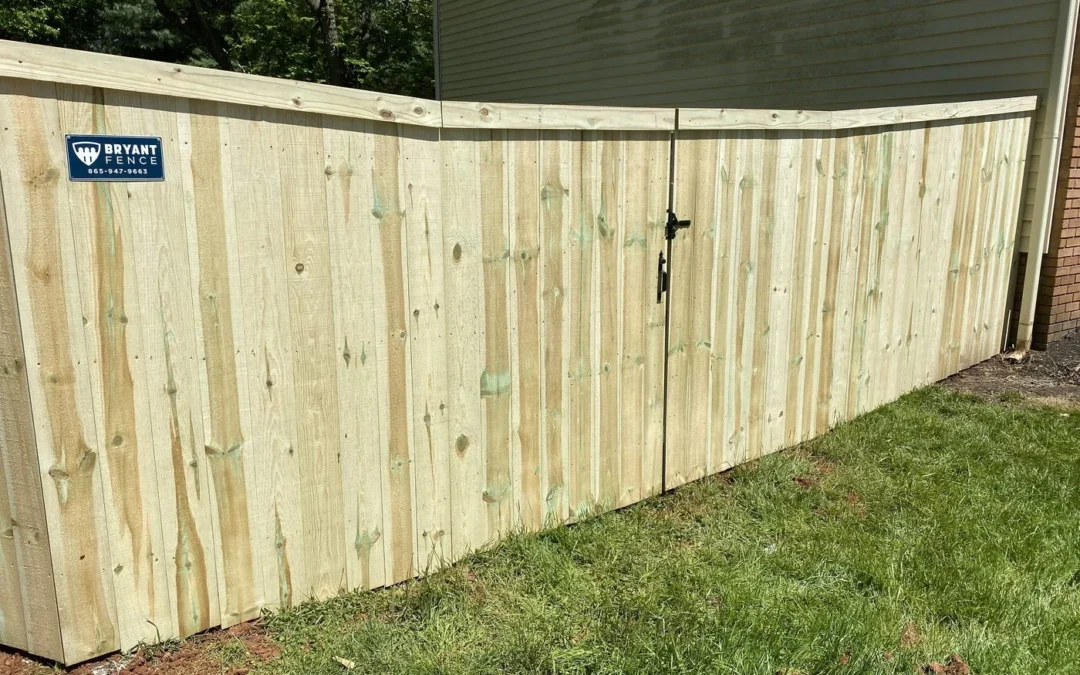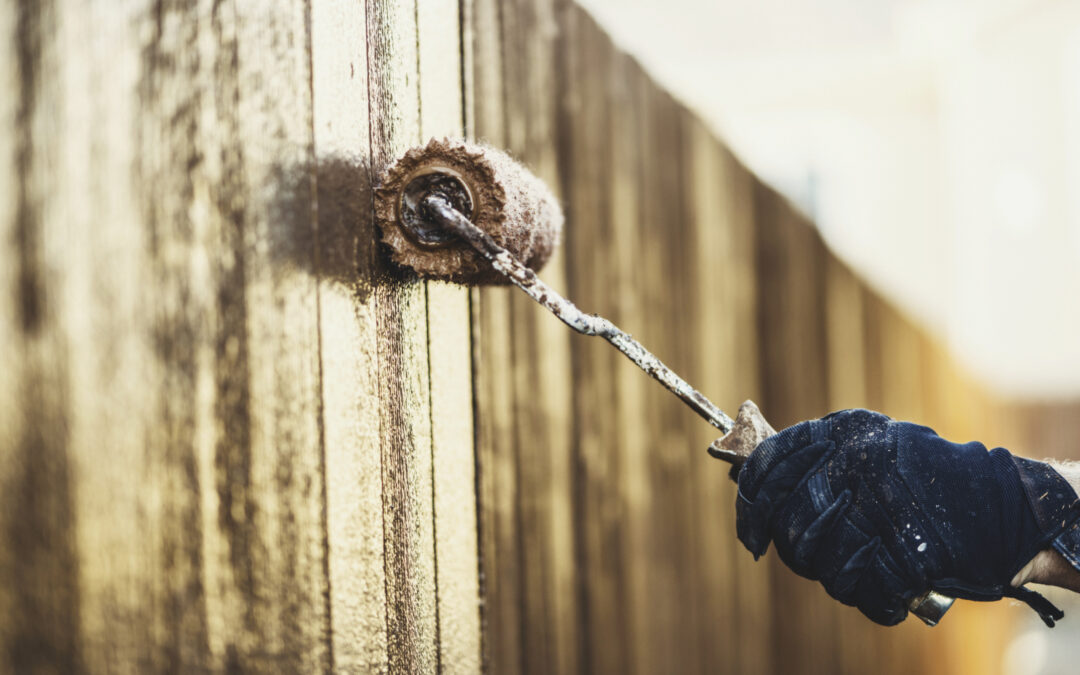
The best way to protect a fence in an East Tennessee winter is to keep water, weight and wind from working against it. Our winters swing between freezing nights and wet, mild days. That freeze-thaw cycle, plus ice, fallen limbs and gusty storms, is what wears a fence down. A few easy steps in late fall go a long way.
This winter fence maintenance guide shows how to prepare your fence for winter, with simple winter fence care steps for wood, vinyl, aluminum, and chain link.
Key Takeaways: Winter Fence Maintenance
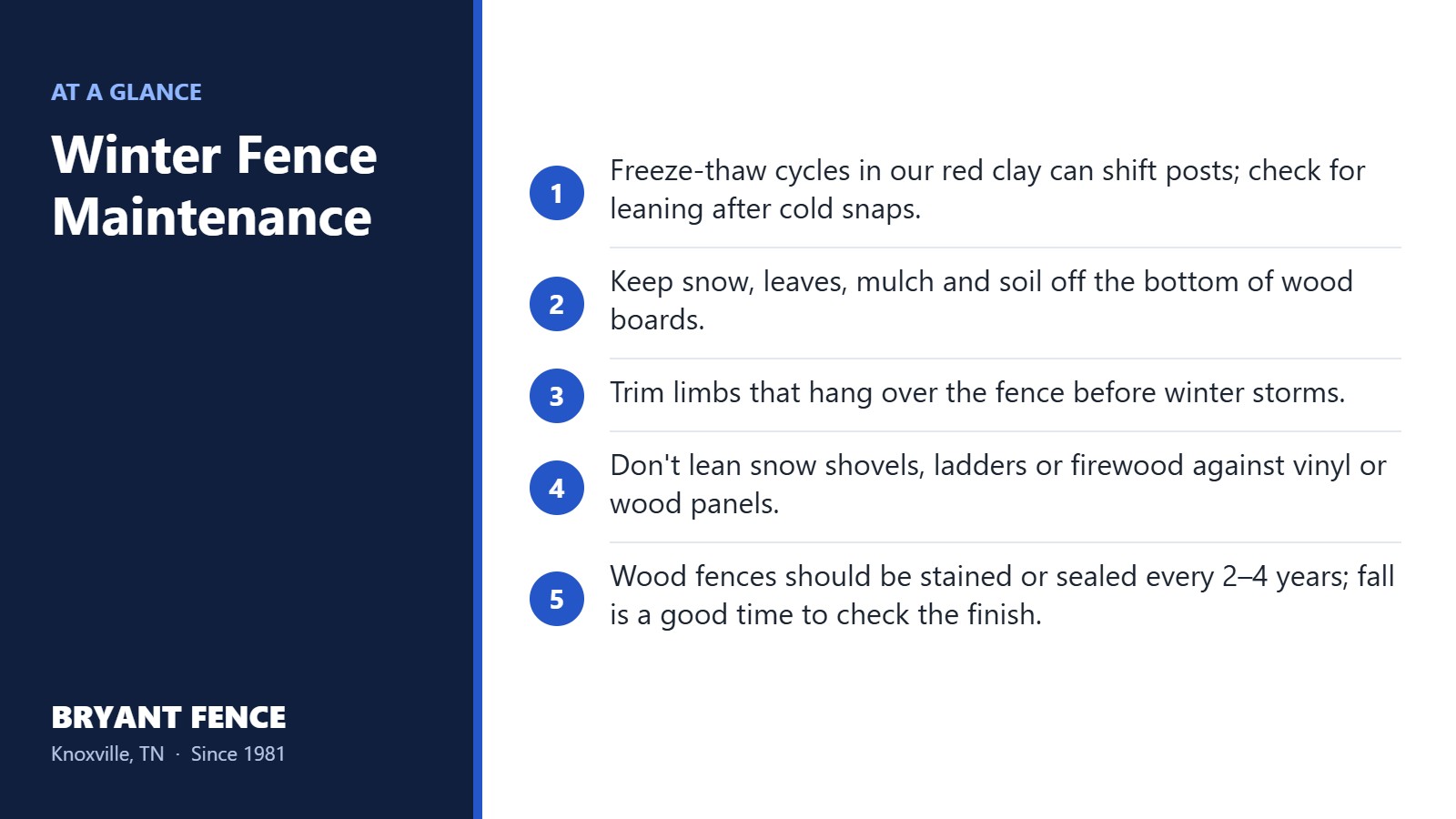
- Freeze-thaw cycles in our red clay can shift posts; check for leaning after cold snaps.
- Keep snow, leaves, mulch and soil off the bottom of wood boards.
- Trim limbs that hang over the fence before winter storms.
- Don't lean snow shovels, ladders or firewood against vinyl or wood panels.
- Wood fences should be stained or sealed every 2–4 years; fall is a good time to check the finish.
8 Winter Fence Care Steps
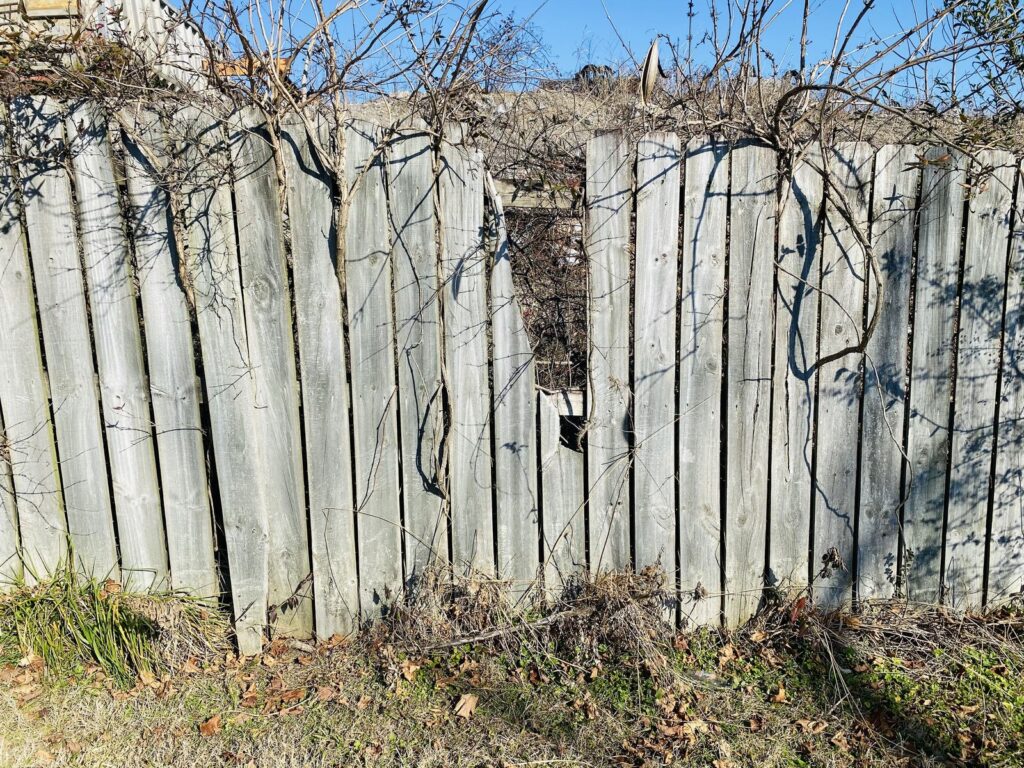
- Walk the fence line. Look for leaning posts, loose boards, sagging gates and damaged caps before the weather turns.
- Clear the base. Rake leaves and pull mulch and soil away from boards so they can dry between rains.
- Trim overhanging limbs. Ice-loaded branches are the most common cause of winter fence damage.
- Check gate hardware. Tighten hinge screws and make sure latches catch; cold can make a sticking latch worse.
- Check the wood finish. If water soaks in instead of beading, plan to stain or seal on the next dry, mild stretch.
- Keep weight off panels. Snow piles, firewood stacks and leaning tools put pressure on boards and vinyl panels.
- Use the right ice melt. Keep de-icing salt off wood and metal where you can, and rinse it off in spring.
- Watch drainage. Standing water around posts softens the soil; redirect downspouts away from the fence line.
Care Tips by Material
| Material | Winter watch-outs | What to do |
|---|---|---|
| Wood | Moisture, soft ground at posts | Clear the base, check finish, stain or seal every 2–4 years |
| Vinyl | Less flexible in hard cold; impact from shovels or limbs | Keep weight and impacts off panels; rinse grime in spring |
| Aluminum | Very little | Occasional rinse; check gate hardware |
| Chain link | Tension and gate hardware | Check tension and latches; clear debris from the fabric |
See our full fence maintenance guide for year-round care.
Found damage after a storm? Send photos through customer care or get a free quote or call (865) 947-9663. Our fence repair team can take a look.
Why East Tennessee Winters Are Tough on Fences
Our winters are not the coldest. But they swing a lot. It can be 25 degrees at sunrise and 55 by lunch. Then it rains for three days.
That back-and-forth is the problem. Water soaks into the soil and into wood. At night it freezes and swells. In the day it thaws and shrinks. Do that fifty times a winter and things start to move.
Our red clay makes it worse. Clay holds water like a sponge. When wet clay freezes, it pushes on anything set in it. That includes fence posts. A post set too shallow can lift or lean a little more each winter.
Wind is the other piece. Winter storms come through with strong gusts. A solid privacy fence catches that wind like a sail. If a post is already loose, a big gust can finish the job.
A 15-Minute Fall Fence Check
You do not need tools for this. Just walk the fence line once before the first hard freeze. Here is what to look for.
- Push on each post. Give it a firm push at chest height. A good post does not wiggle. Note any that do.
- Look down the line. Stand at one end and sight along the top. Dips and leans are easy to spot this way.
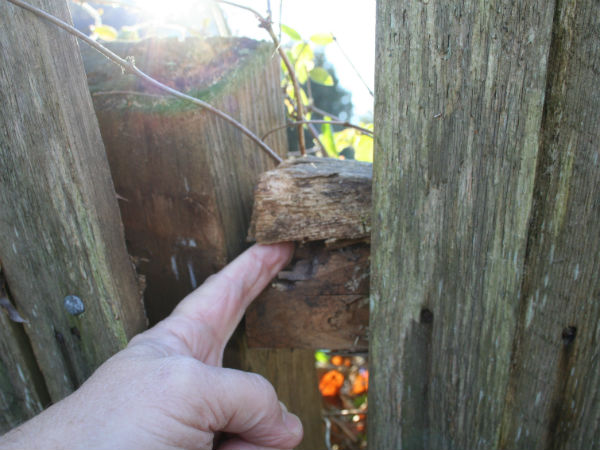
- Check the bottom of the boards. Soft, dark or crumbly wood near the ground means rot has started.
- Open and close every gate. It should swing free and latch on the first try.
- Look up. Any big limbs hanging over the fence? Those are your biggest winter risk.
Write down what you find. Small problems are cheap to fix in fall. They cost more after a winter of freeze and thaw.
What to Fix Now and What Can Wait
Not every problem needs a fix today. Here is a simple way to sort them.
Fix before winter
- Loose or leaning posts
- Gates that drag or will not latch
- Broken boards with sharp edges or nails showing
- Heavy limbs hanging over the fence
Can wait until spring
- Green or gray stains on the surface. See why is my fence green?
- Faded stain, if the wood still sheds water
- Small cracks on the face of posts. Those are normal.
If you have a pool, do not wait on anything. A broken pool fence or gate is a safety issue in any season.
After a Winter Storm
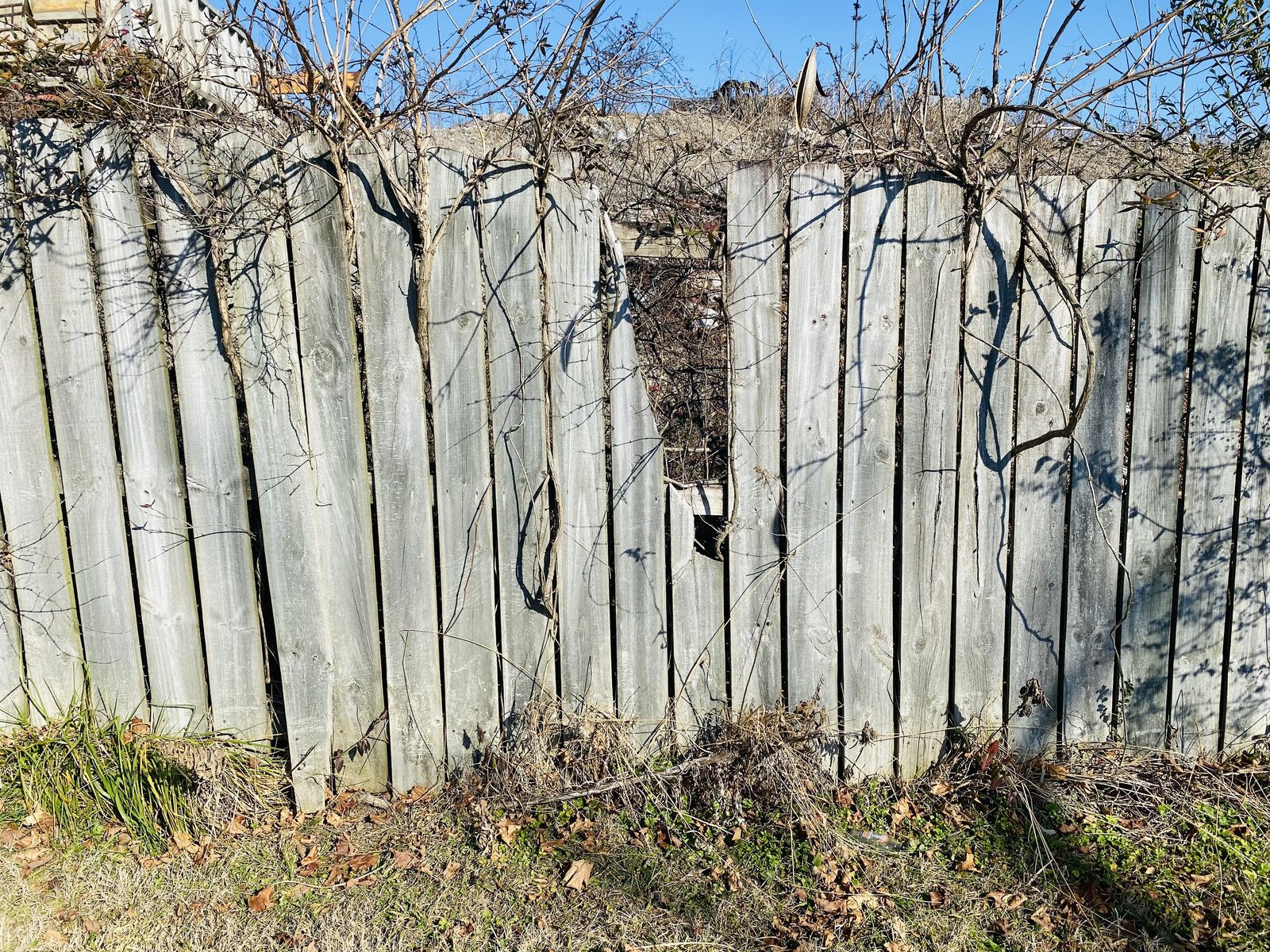
Once the ice melts or the wind dies down, take another quick walk. Look for new leans, fallen limbs and broken panels. Take photos of any damage before you move things.
Our guide on what to do after fence storm damage walks you through the next steps, from photos to insurance to repair.
When to Call a Pro
Some jobs are fine for a Saturday. Tightening a hinge is one. Raking leaves off the fence line is another.
Other jobs are best left to a crew. Call us if a post is loose in the ground, if a whole section leans, or if a gate post has moved. Those need digging and concrete to fix right. A quick patch will not hold through the next freeze.
If Bryant Fence built your fence, start with our customer care page. Have your address and a few photos ready. It also helps to know about when the fence was put in.
Before any fence post goes in the ground, buried utility lines have to be marked. Tennessee 811 marks them for free.
Winter Fence Maintenance FAQs
Want a fence built to handle our winters? Bryant Fence has built fences across East Tennessee since 1981. Get a free quote or call (865) 947-9663.